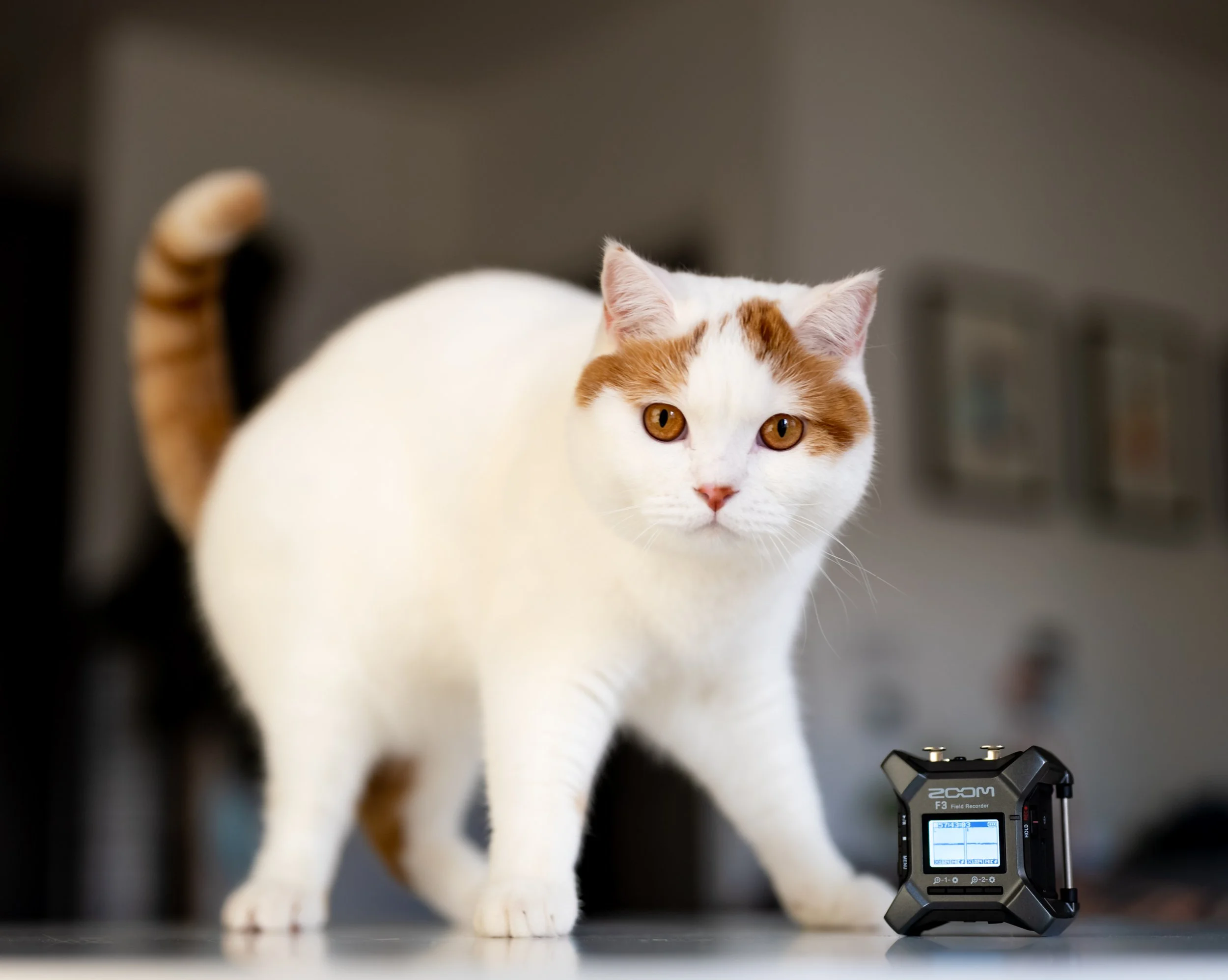
A documentary shoot can fall apart in the space between a whisper and a slammed door. The F3 Field Recorder has earned fresh attention because it speaks to that exact fear: losing the only clean take you may ever get. For U.S. filmmakers, podcasters, field journalists, and small video crews, this restock matters because the unit sits in a sweet spot between pro audio confidence and bag-friendly size. It is a 32-bit float recorder with two XLR inputs, small enough for a run bag, yet serious enough for interviews, vérité scenes, and location sound where second chances are rare. Readers who follow creator gear coverage have seen the same pattern across cameras, microphones, and compact recorders: when a tool lowers field risk without adding crew weight, demand moves fast. That pressure is stronger now because many creators are hired for lean, fast jobs where one missed line can spoil the piece. The question is not whether this Zoom recorder has specs. It does. The better question is whether it solves the ugly, ordinary problems that happen on sidewalks, in kitchens, inside vans, and across half-lit rooms when the story refuses to wait.
Why the F3 Field Recorder Fits Documentary Workflows
Documentary audio is not clean because the recorder is clean. It is clean because the crew made fewer bad choices while the room was changing. That is where this small Zoom unit makes sense. The appeal is not drama. It is the calm that comes from knowing a sudden laugh, an emotional pause, or a subject turning away from camera will not wreck the whole track before post-production begins. Many camera bodies now shoot sharp images with little fuss, so audio has become the place where small productions still reveal their weak spots. The recorder is popular because it attacks that weak spot without turning a two-person shoot into a gear parade.
When interviews turn messy
A sit-down interview looks controlled until the air conditioner kicks on, the subject leans back, and someone in the next room starts making coffee. A two-person crew in Phoenix or Atlanta might be running camera, lights, release forms, and sound at once. In that setting, the recorder cannot replace a sound mixer, but it can reduce how much attention sound steals from everything else.
The F3 is built around two XLR inputs, which matches a common documentary setup: one boom or shotgun mic, plus one lavalier or second interview mic. That sounds modest on paper. On a real shoot, modest can be the point. If you are recording one subject in a barber shop, a church office, or a college dorm, six inputs may become a distraction. Two clean channels force a sharper plan.
The counterintuitive part is that fewer controls can make the crew more professional, not less. A director who is also watching focus does not need a recorder that invites constant tinkering. They need a box that captures the moment while the subject forgets there is a box at all. That is why this recorder often makes more sense for vérité work than a larger unit bought for imaginary future needs.
Why fewer controls can protect the take
Traditional field recording asks you to ride levels with care. That works when someone is wearing headphones and doing nothing else. Many documentary crews do not have that luxury. They are chasing a county fair interview before the rodeo starts, filming a protest from a curb, or recording a family conversation in a small apartment where bodies keep shifting.
A compact recorder with a waveform display and 32-bit float capture changes the pressure. It does not make audio automatic. Mic placement still matters. Wind still wins if you ignore it. A refrigerator hum will remain a refrigerator hum. But the recorder gives you more room when the subject suddenly gets loud or drops into a low voice.
That extra room changes behavior on set. You stop treating every sentence as a threat to the meters. You listen to the person. You watch the story unfold. Good audio gear should not pull the filmmaker out of the scene. It should let them stay there longer. The best field tools do their work quietly, because the crew’s attention belongs to the subject, not the menu system.
What the Restock Signals for Small Crews
A restock is not only about shelves filling again. It also tells you what kind of gear small crews are hungry for. In the U.S. market, many creators are building lean kits that can fit in a backpack, a carry-on, or the trunk of a rented sedan. That does not mean they want toys. They want documentary audio gear that can survive paid work without demanding a dedicated cart, a larger case, or another person on payroll. The rise of small crew work has changed the buying test. A tool must be light enough for travel, plain enough to run under stress, and good enough that an editor does not curse it later.
Stock matters when shoots move faster than purchase orders
Independent crews often buy gear when the job is already booked. A nonprofit profile in Chicago, a wedding mini-doc in Dallas, or a YouTube doc series in Los Angeles may move from idea to shoot date in a week. When the recorder is out of stock, that buyer does not wait out of loyalty. They rent, compromise, or grab another model.
That is why restocks can create a rush even when the product has been around for a while. Availability turns research into action. Someone who has watched ten reviews and built a cart twice may finally buy because the next project has a call sheet attached. The same thing happens with small cameras and wireless mic kits. Interest can sit quiet for months, then move all at once when inventory meets a real deadline.
The hidden insight is that demand is not always a love story. Sometimes it is scheduling pressure. A small crew does not need to believe a recorder is magical. They need it to arrive before Tuesday, work with the mics they own, and keep the audio from becoming the reason a shoot feels amateur.
How U.S. indie teams weigh cost against risk
For U.S. freelancers, the math is rarely “Can I afford this?” It is closer to “Can I afford the mistake this prevents?” Bad audio can turn a strong interview into a rescue job. Editors can hide a shaky frame. They can cut around a soft visual. They cannot turn a clipped confession into clean dialogue without pain.
That is why a compact recorder can feel more valuable than another lens. A lens changes the look. A recorder protects the story. The shift matters because many clients do not know what recorder you used, but they know when the voice sounds harsh, thin, or buried. A church testimonial, a founder interview, or a short brand doc may live or die on whether the speaker feels close and clear.
A smart kit plan starts with the work you do most. If your shoots are mostly single-person interviews, the F3 sits in a sensible lane. If you record panels, roundtables, or multi-person scenes, you may need more inputs. A buyer guide on field audio setups for small crews can help map that choice before money leaves your account. This is where restraint pays off. Buying the right small recorder beats buying a bigger one that spends half its life intimidating the person holding it.
Sound Quality Is Only Half the Reason People Want It
Clean sound gets the headline, but the deeper appeal is trust. Filmmakers want fewer fragile links between the microphone and the edit timeline. The official Zoom page lists the recorder as a two-channel, two-track model with 32-bit float recording, dual A/D converters, XLR inputs, and up to 192 kHz recording, which explains why the spec sheet keeps attracting field shooters who work outside studio walls: official Zoom specifications. Specs matter here because they describe a working style. Two tracks, XLR inputs, and float capture point toward focused scenes where the crew wants clean dialogue without a long setup dance. That is why the spec sheet lands differently for a documentary shooter than it does for a studio engineer. The appeal is not maximum control. It is fewer fragile choices when the room, subject, and schedule keep changing.
Where a 32-bit float recorder helps and where it cannot
A 32-bit float recorder is useful when volume is hard to predict. A subject may speak softly while remembering something painful, then laugh at full force ten seconds later. On a street scene, a passing motorcycle may hit the mic much louder than the dialogue. In those cases, the format gives post-production more room to bring the level back into shape.
That does not mean it fixes bad sound. This is the trap. A poor mic position stays poor. A shirt-rubbed lav still sounds like cloth scraping a secret. Heavy room echo does not become warm and close because the recorder saved the peaks. The tool protects against level failure, not judgment failure.
The non-obvious lesson is that 32-bit float makes good technique more relaxed, not less necessary. You still choose the right mic, get it close, block wind, and listen. The difference is that one loud moment is less likely to punish an otherwise careful setup. That freedom can make a new filmmaker bolder, but it should not make them lazy. The recorder gives you a wider landing zone, not a free pass to ignore the room.
Portable XLR recorder choices for real locations
A portable XLR recorder earns its place when it helps you move through spaces without rebuilding your kit every hour. Think of a crew filming a day-in-the-life piece with a nurse in Ohio. The morning starts in a quiet kitchen, moves to a car, then ends in a busy clinic parking lot. Gear that feels fine in the kitchen may become a nuisance by lunch.
The F3’s size works because it can live close to the camera rig, inside an audio pouch, or near the subject in a controlled drop setup. It does not ask the crew to treat every location like a sound stage. That matters for documentary work because many scenes happen in borrowed spaces. You are often a guest. You do not get to reshape the room.
The tradeoff is clear. A small two-input box is not the right answer for every production. It is strong when the scene is focused. It is weaker when the cast expands. Buyers who accept that boundary usually end up happier than buyers who expect one recorder to cover every possible job. That boundary also makes the unit easier to love. It knows what it is for, and that is rarer than it sounds in budget audio gear.
How to Decide Before the Next Batch Disappears
Restock pressure can make gear feel urgent. That is dangerous. The smarter move is to decide before the product page starts blinking at you. Know your microphone plan, your shoot style, and the kind of failure you are trying to avoid. Then the purchase becomes calm. Calm decisions age better. The worst gear buys often come from fear of missing out, not from field experience. A recorder should earn its place because it fits your work, not because the internet got loud for a weekend.
Match the recorder to your microphone plan
Start with your mics, not the recorder. A shotgun mic on a boom and a wired lav need different handling than two lavs on separate subjects. If you use condenser microphones that need phantom power, confirm that your recorder supports the power those mics require. If you plan to feed audio into a camera, think through monitoring and sync before the shoot day.
This is where many new filmmakers get turned around. They buy the recorder first because it feels like the serious object. Then they discover their lav kit, camera workflow, or mounting plan creates more friction than expected. Audio is a chain. The recorder is only one link. Cables, cards, headphones, batteries, mounts, and backup habits matter more than people admit.
For a solo filmmaker, a portable XLR recorder with clear controls may beat a larger unit with more tracks. That sounds backward until you are standing in a school hallway with five minutes before the principal arrives. The best tool is the one you can operate cleanly under pressure. A recorder that makes sense in your hands will capture more usable sound than a fancier box you keep second-guessing.
Buy for the shoot you cannot repeat
Every kit should be built around the scene you cannot recreate. A product review can be reshot. A sponsor read can be recorded again. A father seeing his restored truck for the first time cannot be reset. A storm evacuation interview cannot be staged next week with the same weight.
That is why documentary audio gear deserves a higher place in the budget than many beginners give it. It protects the irreplaceable part of the work. You can upgrade lights slowly. You can rent specialty lenses. But when the once-only moment arrives, the recorder is either ready or it is not. That sounds harsh, but field production has a harsh memory. It remembers the file you failed to capture.
Before buying, write down your next three shoots. Count subjects. Count mics. Note whether you will have a dedicated sound person. Then compare the recorder to those jobs, not to a fantasy kit on a review desk. A practical checklist on documentary production gear planning can keep that process grounded. If two inputs cover most of your work and your biggest fear is blown levels, this Zoom unit belongs on the shortlist. If your scenes keep growing, buy more recorder than this.
Conclusion
The renewed attention around this Zoom recorder makes sense because small crews are tired of audio tools that demand too much attention at the wrong time. A good documentary kit should help you stay present with the person in front of you, not pull your eyes back to a screen after every sentence. The F3 Field Recorder fits that mood because it offers strong capture, compact handling, and a forgiving recording format without asking you to carry a larger system. Still, it is not a magic box. It rewards people who place microphones well, listen on headphones, and keep their setup honest. The best buyers will be the ones who know their limits before checkout. If your work depends on interviews, field scenes, and moments you cannot repeat, this restock is worth watching closely. Do not buy from panic. Buy because the next shoot has a sound problem this recorder can solve. Build the kit around the story, then buy the gear that keeps the story safe.
Frequently Asked Questions
Is the Zoom F3 worth it for documentary filmmakers?
Yes, if your shoots often involve one or two microphones and unpredictable voices. It makes the most sense for interviews, small field scenes, and solo crews. It is less ideal for roundtables, panels, or scenes that need several isolated mic tracks.
What makes a 32-bit float recorder useful on location?
It gives you more room to recover loud or quiet moments in post-production. That helps when a subject suddenly laughs, whispers, or raises their voice. It still cannot fix poor mic placement, heavy echo, wind noise, or clothing rub.
Does the Zoom F3 replace a sound mixer?
No. It can reduce level stress, but it does not replace trained ears. A sound mixer still brings mic placement skill, problem-solving, monitoring, and scene judgment. The recorder helps most when a small crew must handle audio without a full sound department.
Is a portable XLR recorder better than recording into camera?
Usually, yes for serious dialogue. Dedicated recorders often give cleaner control, better input options, and more flexible files. Camera audio can work for scratch tracks, but interviews and documentary scenes deserve a separate recorder when quality matters.
How many microphones can the Zoom F3 record at once?
It is designed for two XLR sources at a time. That is enough for a boom and a lav, two interview mics, or a simple stereo setup. For three or more people with separate tracks, you should look at recorders with more inputs.
What microphones pair well with the Zoom F3?
Shotgun mics, small condenser mics, and professional wired lavaliers can all make sense, depending on the shoot. The better question is placement. A modest mic close to the speaker often beats an expensive mic placed too far away.
Should beginners buy documentary audio gear before a new camera lens?
Often, yes. Viewers may forgive a plain image faster than harsh, clipped, or distant sound. If you already own a usable camera, better audio can raise the whole project faster than another lens sitting in the same bag.
What should I check before buying during a restock?
Check your microphone needs, input count, return policy, card compatibility, power plan, and whether you need timecode or more tracks. Restock excitement can push fast decisions. Match the recorder to your next real shoot before you click buy.