A thirsty garden does not always need more water. Often, it needs better timing, better soil cover, and smarter choices from the person holding the hose. Across the USA, from dry California yards to humid Southern backyards and windy Midwest lots, Garden Watering Tips matter because water habits shape plant health long before leaves start curling. A garden can look green on the surface while roots quietly struggle underneath. That is where most people get fooled. They water what they can see instead of caring for the root zone where the real work happens. For homeowners trying to build better outdoor routines, practical resources like home improvement planning can help connect everyday choices with longer-term value. The goal is not to baby every plant. The goal is to make your garden stronger, less wasteful, and easier to manage through heat, dry spells, and busy weeks.
Garden Watering Tips That Start With Timing
Good watering starts before the water ever leaves the spout. Many American gardeners water when the garden looks tired, but plants often droop from heat in the afternoon even when the soil still holds enough moisture. Timing separates helpful watering from panic watering, and that difference can decide whether roots grow deep or stay shallow. A stronger garden learns to search downward. A weaker one waits for you at the surface.
Morning Watering Helps Plants Use Moisture Better
Early morning gives plants the cleanest window to take up water before the day starts pulling moisture from leaves and soil. In many USA growing zones, watering between sunrise and midmorning lets the root zone fill before heat becomes aggressive. That does not mean every garden needs water daily. It means the water you do apply has a better chance to reach the roots instead of disappearing into warm air.
Afternoon watering often feels satisfying because the garden looks relieved right away, but that relief can be misleading. Hot soil and bright sun speed evaporation, so less water reaches the places that matter. Leaves may perk up for a while, yet the deeper root system gets shortchanged. A garden that survives on shallow drinks becomes needy fast.
Evening watering has its own trap. Cooler air reduces evaporation, but wet leaves sitting overnight can invite fungal trouble, especially in humid states like Georgia, Florida, Louisiana, and parts of the Northeast. When evening is your only option, aim low at the soil and avoid soaking foliage. The plant wants a drink, not a damp blanket.
Deep Watering Beats Daily Sprinkling
Deep watering teaches roots to chase moisture below the surface. Light daily spraying trains them to stay near the top, where soil dries first and heat hits hardest. That is why a garden watered lightly every evening can still struggle during a hot week. It has been trained into weakness.
A better rhythm is slower and less dramatic. Water long enough for moisture to move several inches down, then let the soil breathe before watering again. Clay soils common in parts of the Midwest and Southeast may need slower watering so water does not run off. Sandy soils in coastal areas and parts of the Southwest drain faster, so they may need smaller but more carefully timed sessions.
The finger test still works because it forces you to check reality instead of guessing. Push a finger a couple of inches into the soil near the plant base. Dry at the top but cool and damp underneath means you can wait. Dry below the surface means the garden is ready. Your hose should answer the soil, not your calendar.
Building Soil That Holds Water Without Drowning Roots
Timing helps, but soil decides how long water stays useful. Poor soil acts like either a sieve or a brick. One lets water vanish before roots can claim it, while the other holds water so tightly that roots lose air. Healthy soil sits between those extremes. It stores moisture, drains excess, and keeps roots working without stress.
Moisture-Rich Soil Starts With Organic Matter
Organic matter gives soil a better grip on water. Compost, leaf mold, aged bark fines, and broken-down plant material create small spaces that hold moisture without sealing roots away from oxygen. This matters across the USA because many home landscapes begin with compacted builder soil, thin topsoil, or tired beds that have been planted hard for years.
A garden bed improved with compost does not become perfect overnight. Soil changes slowly. Add a thin layer of compost each season and let worms, microbes, and weather pull it into the ground. Digging too aggressively can disturb soil structure, especially in established beds. Patience works better than force here.
Vegetable gardens often show the payoff fastest. Tomatoes, peppers, beans, and squash respond well when soil moisture stays steady instead of swinging from soaked to dry. Those swings can lead to cracked fruit, blossom-end issues, and uneven growth. Better soil does not remove every problem, but it makes plants less dramatic under pressure.
Mulch Keeps Water Where Plants Need It
Mulch is one of the simplest forms of sustainable gardening because it protects soil from sun, wind, and hard rain. Bare soil loses moisture quickly, crusts over, and heats up fast. A two- to three-inch layer of shredded leaves, straw, pine needles, bark mulch, or clean wood chips can keep the root zone calmer through rough weather.
The mistake is piling mulch against stems and trunks. That creates damp contact where pests and rot can move in. Leave a small open ring around plant crowns, shrubs, and tree trunks. Mulch should shade the soil, not smother the plant. It sounds fussy, but that little gap saves plenty of headaches.
Mulch also changes how you water. A mulched bed may look dry on top while the soil underneath still holds moisture. Pull the mulch aside and check before adding water. Many gardeners waste gallons because they judge the surface instead of the root zone. The top layer lies. The soil underneath tells the truth.
Matching Watering Methods to Real Yard Conditions
A watering method that works beautifully in Arizona may fail in Vermont. A raised vegetable bed does not behave like a foundation shrub border. Containers dry faster than in-ground beds, and a lawn sprinkler is a poor tool for thirsty peppers. The best setup fits the space rather than forcing one method onto every plant.
Drip Irrigation Saves Water At The Root Zone
Drip irrigation sends water slowly to the soil near plant roots, which makes it a strong choice for raised beds, vegetable rows, foundation plantings, and drought-conscious landscapes. Unlike overhead sprinklers, drip lines reduce wasted spray on sidewalks, fences, and leaves. That matters in states where water restrictions can appear during long dry periods.
The counterintuitive part is that drip systems still need checking. People install them, feel responsible for a weekend, then assume everything is handled forever. Emitters clog. Lines shift. A rabbit chews one section. One tomato thrives while the basil beside it wilts because the water never reached its roots. Automation is useful, but blind trust is not.
A simple timer can help busy homeowners avoid skipped watering, yet the timer should change with the season. Spring settings rarely fit July heat. Fall settings rarely need summer frequency. Smart watering means adjusting as conditions shift, not locking the garden into one schedule and hoping plants forgive you.
Hand Watering Works Best When You Slow Down
Hand watering gets dismissed as old-fashioned, but it teaches you things a system cannot. You notice a cucumber leaf turning pale, an ant mound forming near a pot, or soil pulling away from the edge of a container. Those details show up when you stand there long enough to see them.
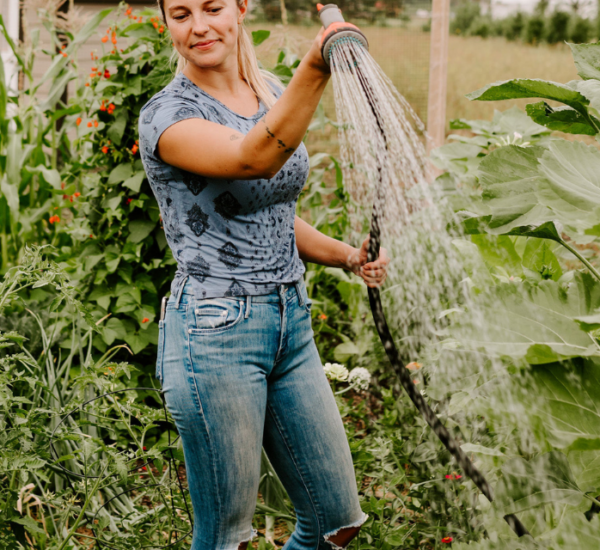
The problem is speed. Many people wave the hose over a bed like they are rinsing a driveway. Water runs across the surface, pools in low spots, and misses the root zone. A watering wand with a soft shower setting gives better control. Aim at the soil near the plant base and pause long enough for water to sink in.
Container gardens need special respect. Pots on patios, decks, and balconies can dry out fast in wind and reflected heat. In cities such as Phoenix, Dallas, Denver, and Las Vegas, a black plastic pot in full sun can become a tiny oven. Water until it drains from the bottom, then check again later during heat waves. Potted plants live closer to the edge.
Watering For Plant Strength, Not Garden Dependency
The healthiest gardens are not the ones that receive constant attention. They are the ones trained to handle stress with less drama. Watering should build plant strength, not turn every bed into a high-maintenance patient. That shift changes how you plant, how you group, and how you react when summer gets harsh.
Native And Climate-Fit Plants Need Less Rescue
Plants adapted to your region usually need less intervention once established. In the USA, that might mean prairie plants in the Plains, drought-tolerant perennials in the Southwest, rain-garden species in wet pockets, or tough native shrubs in the Northeast. The best plant for a place is often the one that does not need constant negotiation.
New plants still need care. Even drought-tolerant species require regular water during establishment because their roots have not spread yet. The first season is training season. After that, many climate-fit plants can handle longer gaps between watering, especially when soil and mulch support them.
Plant grouping also matters. Put thirsty annuals together instead of scattering them through dry beds. Keep Mediterranean herbs away from moisture-loving plants. Rosemary and basil may both belong in your kitchen, but they do not want the same life in the ground. Mixed water needs create messy routines and unhappy roots.
Reading Plant Signals Prevents Overwatering
Overwatering can look strangely similar to underwatering. Yellow leaves, limp stems, slow growth, and leaf drop can come from roots sitting in soggy soil. Many gardeners see a sad plant and add more water, which makes the real problem worse. Kindness can drown a garden.
The better habit is to inspect before reacting. Check soil moisture, look for drainage problems, and notice whether symptoms appear across the whole plant or only during hot afternoons. A hydrangea wilting at 3 p.m. may be reacting to heat, not thirst. If it recovers in the evening and the soil is damp, extra water may do more harm than good.
Sustainable gardening asks you to become less automatic. That is the real discipline. Instead of treating water as the answer to every plant complaint, you learn to read the whole scene: soil, weather, plant type, sun exposure, mulch, and recent rainfall. Garden Watering Tips only work when they are tied to observation.
Conclusion
A better garden does not come from watering more often. It comes from watering with enough intention that plants grow stronger between drinks. Once you understand timing, soil, delivery method, and plant behavior, the garden becomes less mysterious. You stop reacting to every wilted leaf and start seeing patterns before they become problems. That is where healthier plants begin.
Across American yards, the winning approach is simple but not lazy: water deeply, protect the soil, group plants by need, and check conditions before turning on the hose. Garden Watering Tips are not about perfect rules. They are about better judgment, built one morning and one soil check at a time. Start with one bed this week, change one habit, and watch what the plants tell you next.
Frequently Asked Questions
What are the best sustainable watering tips for home gardens?
Water early in the morning, soak the root zone deeply, and use mulch to slow evaporation. Check soil moisture before watering again. These habits reduce waste while helping plants build deeper roots that handle heat and dry spells better.
How often should I water garden plants in summer?
Most in-ground garden plants do better with deep watering a few times per week instead of light daily watering. Exact timing depends on soil type, plant age, heat, rainfall, and sun exposure. Always check soil moisture below the surface before watering.
What is the best time of day to water plants?
Morning is the best time for most gardens because plants can absorb moisture before strong heat arrives. It also gives leaves time to dry, which lowers the chance of fungal problems in humid regions.
How can I save water while keeping plants healthy?
Use drip irrigation, mulch bare soil, improve beds with compost, and group plants with similar water needs. These steps keep moisture near roots and reduce wasted runoff, overspray, and evaporation.
Are drip irrigation systems good for vegetable gardens?
Drip irrigation works well for vegetable gardens because it sends water straight to the soil near roots. It keeps leaves drier, reduces waste, and supports steady moisture for crops like tomatoes, peppers, cucumbers, and beans.
Why do my plants wilt even when the soil is wet?
Wet soil can block oxygen from reaching roots, causing plants to wilt even though water is present. Heat stress can also make leaves droop temporarily. Check the soil and watch whether the plant recovers later before adding more water.
Does mulch help reduce garden watering needs?
Mulch reduces watering needs by shading soil, slowing evaporation, and protecting roots from temperature swings. A two- to three-inch layer works well for most beds, as long as mulch stays away from stems and trunks.
How do I know if I am overwatering my garden?
Yellow leaves, soggy soil, weak growth, fungus, and limp stems can point to overwatering. Check soil a few inches deep before watering. If it feels damp, wait and let the root zone breathe before adding more moisture.