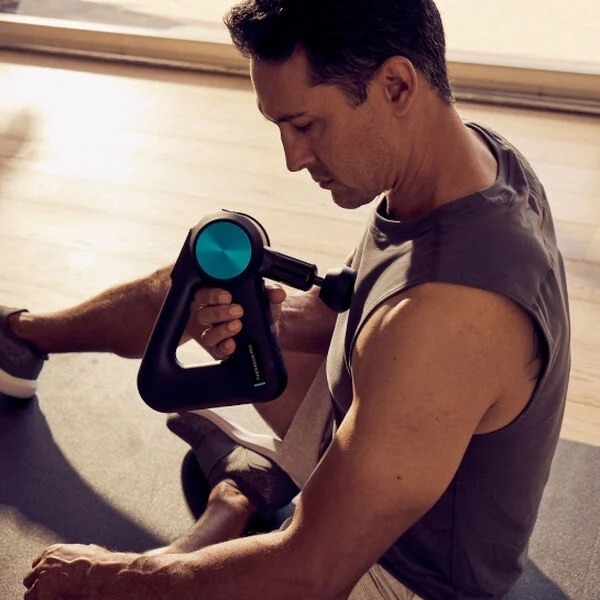
Sore legs have a way of making every staircase feel personal. The TimTam Power Massager is getting attention because U.S. shoppers want a serious recovery device without paying the old premium. TimTam’s own store currently shows the Pro marked down to $199.99 from $249.99, which gives the deal real weight for runners, lifters, cyclists, weekend pickleball players, and parents who train before work.
That price drop also lands at the right moment. Recovery gear has moved from locker rooms into bedrooms, garages, and gym bags. Sites that track consumer deal reporting keep proving the same thing: shoppers do not mind buying performance gear when the value is clear. The catch is knowing whether this athletic recovery sale is worth action or whether the Pro is another flashy percussion massage gun with a loud motor and a short honeymoon.
Why the TimTam Power Massager Sale Matters for Recovery Shoppers
A discount only matters when the product solves a real problem. For many active Americans, the problem is not elite performance. It is the Tuesday morning after squats, the calf tightness after a 10K, or the stiff neck that shows up after a long commute and a laptop-heavy workday.
The Pro sits in a busy category, but the price drop changes the math. At full price, some buyers compare it with premium models from Therabody or Hyperice and hesitate. At $199.99, it moves closer to the practical zone, especially for buyers who want heat, stronger percussion, and a home-friendly design in one muscle recovery tool.
The sale hits the middle of the market, not the bargain bin
The most useful thing about this deal is where it lands. It is not a $49 impulse buy with a mystery motor. It is also not a $399 splurge aimed at physical therapy clinics. That middle lane matters because many people want a capable percussion massage gun but do not want to pay for app features they may ignore after week two.
A real example: a high school soccer coach in Ohio might need something players can use after practice under supervision. A runner in Austin may want calf work after summer miles. A warehouse worker in New Jersey may care less about “sports recovery” and more about getting through tight forearms after a long shift.
The non-obvious angle is this: a lower price can make buyers more honest. When a device costs too much, people try to make it replace stretching, sleep, warm-ups, and rest days. When the cost feels fair, it becomes a tool instead of a magic fix. That is how it should be treated.
Recovery gear only pays off when it becomes a habit
A massage gun sitting in a closet has no value. The Pro’s case is stronger for people who will use it in small, repeatable windows: two minutes on quads after cycling, one minute on calves before a walk, or light work around the upper back after desk hours.
That is where the athletic recovery sale becomes more than a shopping moment. Lower cost may bring the device into homes where recovery used to mean a foam roller nobody liked using. A percussion massage gun feels easier for many people because it asks for less floor space, less body weight control, and less patience.
Still, the win is not intensity. It is consistency. A short, calm routine after training often beats an aggressive twenty-minute session done once a month. The best buyers will not chase pain. They will chase better movement the next day.
What the Pro Offers Beyond the Sticker Price
A lower price gets attention, but features decide whether the deal holds up after the box arrives. Amazon’s listing describes the Pro as a handheld percussion device for full-body muscle recovery with five programmed settings and a travel bag, while the product details list heat, percussion massage, battery power, and a professional-grade build.
The included kit matters too. Amazon lists the massager with battery, charger, travel bag, round rubber tip, auto heating tip, and vibrating tip. The same listing notes three speed settings at 1,000, 2,000, and 2,800 strokes per minute, plus a one-hour battery life.
Heat makes the device feel less one-note
Many massage guns do one thing: hit fast. That can feel good for some muscles and annoying on others. Heat gives the Pro a softer lane. It can make a post-workout session feel less like a power tool and more like a controlled warm-down.
That matters for buyers who are not twenty-two-year-old sprinters. A 45-year-old recreational tennis player in Florida may want relief around the forearm and shoulder without cranking the device to its highest setting. A heated attachment can make lower-speed work feel more useful, especially when the goal is comfort and range of motion rather than brute force.
The counterintuitive point is that heat is not always about “more.” It may help you use less pressure. That is good. Many people misuse recovery tools by pressing harder until the session feels productive. Comfort, not punishment, is the better signal.
The rotating head helps more than flashy extras
The 175-degree rotational head listed for the Pro is easy to overlook, but it may be one of the more practical parts of the design. Hard-to-reach areas make massage guns awkward. If you cannot reach your upper back, hamstrings, or hip area without twisting your wrist, the device becomes a two-person tool.
For home users, that can decide whether the product stays out or goes away. A lifter in a garage gym can use a rotating head after deadlifts without asking someone for help. A cyclist can reach glutes and outer thighs after a long ride. A nurse coming off a long shift can work calves while sitting on the edge of the bed.
This is where smart fitness gear guide content should always move past spec sheets. The best feature is not always the loudest feature. It is the one that removes friction from daily use.
How to Judge the Athletic Recovery Sale Against Real Recovery Needs
The smart way to view this athletic recovery sale is not “Should everyone buy it?” The better question is “Will this solve a repeat problem in your routine?” That small shift saves money. It also keeps expectations sane.
A percussion massage gun can help some users feel looser, especially before movement or after training. Research is still mixed, though. An NIH-hosted review found massage guns may help flexibility and some recovery outcomes, but benefits for strength, balance, acceleration, agility, and explosive activity were less clear. That is a useful warning, not a reason to dismiss the category.
Buy for soreness and mobility, not instant performance
The strongest case for a muscle recovery tool is day-to-day comfort. If your calves tighten after running or your lats feel locked up after pull-ups, a short session can help you feel ready to move. That is different from expecting the device to add pounds to your squat or shave minutes off a race.
A newer 2024 study on massage guns after strenuous calf exercise found little effect on physical measures after immediate use and even advised caution when using them right after hard lower-body work. That does not make massage guns useless. It means timing and pressure matter.
A practical rule: use the device to prepare tissue, calm soreness, and improve comfort. Do not use it to override pain. Sharp pain, swelling, numbness, or injury signs belong with a medical professional, not a sale-page purchase.
The best buyer already has the basics covered
The Pro makes the most sense for people who already respect the boring stuff. Sleep. Hydration. Warm-ups. Easy days. If those are missing, no percussion massage gun will clean up the mess.
That sounds like a buzzkill, but it is good buying advice. A college runner who sleeps five hours and trains through shin pain does not need a stronger device first. A 38-year-old dad who stretches, walks, strength trains, and wants a faster way to manage calf tightness may get more from it.
The hidden value is time. Foam rolling can work, but it asks you to get on the floor and grind through uncomfortable positions. A handheld tool can fit into ten minutes after a shower. For busy Americans, that convenience may be the feature that keeps recovery alive.
Where the Pro Fits Among Home Recovery Tools
Home recovery has become crowded. You can buy compression boots, cold tubs, infrared wraps, massage balls, scraping tools, and more. Some are useful. Some are expensive decorations. The Pro’s appeal is that it sits in a familiar lane: handheld, portable, easy to understand, and built around touch.
That simplicity helps. People do not need a new wellness identity to use it. They need a few clear rules and a realistic reason to bring it out after training. That is why the current discount may pull interest from shoppers who skipped the category when prices felt too high.
Compare it with foam rollers, not only premium guns
Most shoppers compare massage guns against other massage guns. That is fine, but it misses the daily-use question. The stronger comparison is against foam rollers, lacrosse balls, stretching straps, and occasional sports massage appointments.
A foam roller costs less and lasts years. It also takes more effort and can feel awkward for older users or anyone with limited mobility. A sports massage can be excellent, but appointments cost more over time and require scheduling. The Pro sits between those options.
A runner in Denver training for a half marathon might still keep a foam roller for hips and use the Pro for calves and quads. A desk worker in Chicago might use a ball for the feet and the Pro for traps. Recovery works better when tools share the job instead of competing for it.
A good deal should still pass the “will I use this?” test
The sale price can tempt people who like gear more than routines. That is normal. Fitness products often promise a cleaner version of ourselves. The safer test is plain: where will this live, when will you use it, and which body area will it help most?
If the answer is vague, wait. If the answer is specific, the deal looks stronger. For example, “I will use it on calves and hamstrings after three weekly runs” is a buying plan. “I want to recover better” is a wish.
For more practical buying help, a home workout recovery checklist can sit nicely beside this kind of review. Shoppers need simple decision points, not hype. That is the tone this category needs more often.
Conclusion
A recovery tool earns its place when it makes the next session feel easier to start. That is the real promise here, not some miracle claim about turning soreness into strength overnight. The current Pro sale gives U.S. shoppers a more reasonable entry point into a higher-powered home recovery device.
Still, the TimTam Power Massager should be bought with clear expectations. It can support warm-ups, cooldowns, tight muscle work, and short daily care. It should not replace rest, medical advice, or a smart training plan. The best outcome is simple: you use it often because it is easy, and you stop sooner because you are listening to your body.
For athletes, gym regulars, and active workers, the discount makes the Pro worth a serious look. Treat the purchase like part of a routine, not a trophy for your gym bag. Buy it only if you can name the exact recovery problem it will solve.
Frequently Asked Questions
How much is the TimTam Pro on sale for right now?
TimTam’s current store listing shows the Pro at $199.99, reduced from $249.99. Prices can change fast during sales, so shoppers should check the live cart, shipping cost, and return terms before buying.
Is the TimTam Pro worth it for runners?
It can be worth it for runners who deal with calf, quad, hamstring, or hip tightness after training. It is best used as a support tool after easy runs or during warm-up prep, not as a way to train through pain.
What makes a percussion massage gun useful after workouts?
Fast pulses can help some people feel looser and more comfortable after exercise. The best use is short and controlled. Stay on muscle tissue, avoid bones and joints, and stop if the sensation turns sharp or strange.
Does the TimTam Pro replace stretching?
No. It may make stretching feel easier for some users, but it does not replace mobility work. A better routine pairs light massage gun use with gentle movement, slow breathing, and training choices that match your recovery level.
Who should skip this kind of muscle recovery tool?
People with acute injuries, unexplained swelling, nerve symptoms, blood clot concerns, or serious medical conditions should ask a qualified clinician first. A massage gun is not the right answer when pain has a warning sign attached.
Is heat useful on a massage gun?
Heat can make low-pressure work feel more comfortable, especially for tight areas that do not respond well to hard percussion. The key is restraint. Heat should support a calm session, not encourage longer or harsher use.
How long should each massage gun session last?
Most home users should think in minutes, not long sessions. Start with 30 to 60 seconds on one muscle area at low speed. Add time only if your body responds well the next day.
What should shoppers check before buying during a recovery sale?
Check the live price, return policy, included attachments, battery details, warranty terms, and whether the device solves a specific problem in your routine. A discount is useful only when the product will get steady use.