A funny thing happens when a hi-fi product starts spreading outside the usual audio circles: people repeat the name faster than they understand the box. The Triangle Borea BR08 is being searched like a compact bargain, yet Triangle’s own U.S. listing calls it a hi-fi floorstanding speaker, not a bookshelf model, with a sale price shown at $849 at the time checked. That mix of confusion and curiosity is exactly why budget-minded U.S. buyers are paying attention. You get a tall three-way speaker, strong sensitivity, and enough low-end reach to make many starter systems feel grown-up without jumping into luxury pricing. For readers tracking product buzz through independent product news, the real story is not hype. It is value pressure. The BR08 sits in that sweet, dangerous zone where budget audiophile speakers stop feeling like compromise and start feeling like a smart shortcut.
Why Triangle Borea BR08 Is Catching Budget Audiophile Attention
Most viral audio chatter starts with a claim that sounds too neat. “Big sound for small money.” “Audiophile quality under a grand.” Those phrases get passed around because they are easy. The BR08 story is more useful than that. It is about a speaker that gives first-time hi-fi buyers the scale they usually think they cannot afford, while still asking them to think about room size, amplifier match, and placement.
Why the bookshelf label misses the point
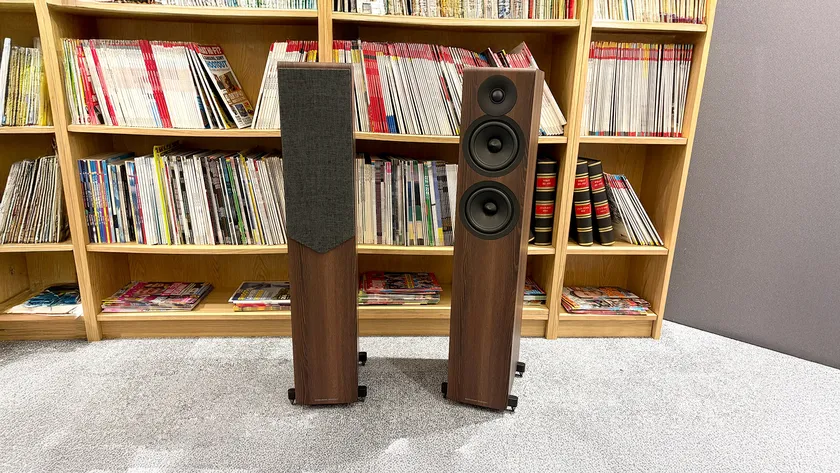
The first thing buyers should fix in their heads is simple: this is a floorstanding speaker. Triangle lists the model with a front bass reflex port, a three-way layout, 92 dB sensitivity, 8-ohm nominal impedance, and a stated frequency range of 40 Hz to 22 kHz. It also uses four drivers: one 25 mm silk dome tweeter, one 16 cm midrange driver, and two 16 cm woofers. Those are not small-speaker details. They explain why the BR08 has been getting attention from people who want more body than a desktop or standmount setup can give.
That matters in a normal American living room. Think of a 14-by-18-foot apartment lounge in Austin, Phoenix, or Columbus, where a couch sits eight feet from the TV and the speakers have to handle Spotify, vinyl, YouTube concerts, and weekend movie nights. A pair of small monitors can sound clean there, but they often ask for a subwoofer before the room feels filled. The BR08 gives that buyer a different path: fewer boxes, more cabinet volume, and less pressure to solve bass with extra gear on day one.
The non-obvious part is that bigger is not always harder. Many shoppers assume a tower speaker needs a monster amplifier. The BR08 does need a sensible match, but its 92 dB sensitivity means it is not the kind of speaker that demands exotic power before it wakes up. SoundStage Access reported strong results even with a modest 40-watt NAD integrated amp, which helps explain why budget audiophiles have latched onto it as a realistic upgrade rather than a fantasy buy.
What makes the value feel different
A lot of budget audiophile speakers win attention because they do one impressive trick. They image well. They have sweet treble. They look expensive from six feet away. The BR08’s appeal is broader: it tries to give you scale, speed, midrange presence, and home-theater usefulness in one pair. That is why it keeps showing up in conversations among people who are tired of building a system piece by piece, only to learn they still need stands, a sub, and more cables.
What Hi-Fi? tested the model at a higher U.S. reference price in 2022 and praised its dynamics, rhythmic drive, punch, and agility, while also warning that it needs enough room and care in system matching. That split verdict is useful. It tells you the speaker is not magic. It rewards a buyer who sets it up with some thought, not someone who shoves it into a corner beside a glass TV stand.
The value also feels different because the BR08 is not trying to act polite at all costs. Many entry hi-fi products play it safe. They smooth the top end, soften bass hits, and keep the sound small so nobody complains. These Triangles seem to be chasing excitement. That can make rock, soul, live jazz, and movie scores feel more alive. It can also expose a bright receiver or harsh recording. The reward is real, but so is the need for taste.
The Real Sound Advantage for a Home Stereo Setup
Once the product name and category are clear, the next question is more personal: what does it change in your room? A good home stereo setup does not impress you only during the first ten seconds of a demo track. It makes normal listening easier. Voices sit in place. Bass has shape. Drums hit without turning into fog. You stop leaning forward to hear detail because the system stops hiding it.
Scale matters more than many new buyers expect
Small speakers can image beautifully, but they often struggle to make music feel life-sized. A snare drum may sound crisp without sounding physical. A male vocal may sit in the center but lack chest. A piano may have sparkle but not weight. The BR08’s tower cabinet and dual woofers give it a better shot at that missing scale, especially in rooms where people listen from a couch rather than a desk.
Here is the practical version. In a suburban family room, a buyer might want one system for records on Saturday morning and Netflix after dinner. A compact speaker can do both, but the movie side often feels thin unless a subwoofer joins the system. A floorstanding speaker like the BR08 can carry more of that load on its own. It will not replace a serious sub for deep cinema effects, but it can make a two-channel setup feel less like a starter kit.
The counterintuitive insight is that scale can make low-volume listening better. People often think towers matter only when played loud. In real homes, the bigger win may happen at night. When kids are asleep or neighbors share a wall, a speaker with fuller natural body can sound satisfying at lower volume. You do not have to crank it to feel bass lines or vocal weight.
Placement is where the bargain becomes real
A speaker with energy needs space to breathe. Triangle recommends the BR08 for rooms from 15 to 50 square meters, which roughly covers many medium and larger living rooms in U.S. homes. That does not mean every room in that range will work. A square room with bare floors and big windows can still sound sharp. A longer room with a rug, curtains, and breathing room behind the speakers can be kinder.
Start with simple placement before blaming the gear. Pull the speakers away from the wall. Give each one a little distance from side boundaries. Angle them toward the main seat in small steps, not all at once. If the treble feels too forward, reduce toe-in before changing cables or buying a different amp. For home theater layouts, Dolby’s official speaker setup guides are also useful because they keep the focus on seating position, angle, and ear height rather than guesswork.
This is where many online opinions miss the mark. One buyer hears lively detail and calls it clarity. Another hears the same energy in a reflective room and calls it brightness. Both may be telling the truth. The room is part of the system. With the BR08, that truth becomes harder to ignore because the speaker has enough output and presence to expose the space around it.
How Budget Audiophile Speakers Should Be Judged
A low price can make people forgiving, but it should not make them careless. The right way to judge budget audiophile speakers is not by asking whether they beat products that cost three or four times more. That is a trap. Ask whether they remove the most annoying limits from a normal system without adding new problems that cost more to fix.
Specs help, but behavior matters more
The BR08’s spec sheet looks strong for the money: three-way design, front reflex port, 150-watt power handling, 92 dB sensitivity, and a minimum impedance listed at 3 ohms. Those numbers matter because they suggest a speaker that can play with real ease when matched well. They do not tell you whether your room will flatter it, whether your receiver sounds grainy, or whether your favorite playlists lean bright. Specs open the door. Listening decides whether you stay.
For example, a Yamaha or Cambridge integrated amp in a carpeted room may give the BR08 the punch and balance people praise. A lean AVR in a bare condo may push the upper range too far forward. That does not make the speaker bad. It means the buyer has to stop treating hi-fi like a single purchase. The system is a chain, and the room is one of the links.
The non-obvious buying lesson is this: forgiving gear can hide mistakes, but revealing gear can teach you faster. If you are new to hi-fi, the BR08 may show you what placement, source quality, and amp character do. That can feel annoying for a week. Then it becomes useful. You learn to hear cause and effect, not only brand names.
Reviews point to a pattern, not a script
Good reviews are most helpful when they disagree around the edges. What Hi-Fi? praised the BR08’s energy and punch but noted that it needs space and careful partnering. SoundStage Access found it strong enough to recommend in the $1,000 to $2,000 floorstander range at the time of that review. Hi-Fi Choice later described the model as fast, vivid, and fun, while still framing it as a speaker that should be matched with some care. Read together, those takes point to a clear pattern: this is an expressive speaker, not a sleepy one.
That pattern helps you decide faster. If you want soft background sound while cooking, the BR08 may be more speaker than you need. If you want guitars to bite, drums to move air, and voices to step forward, it makes more sense. A college student in a tiny bedroom should probably look at the smaller BR03 or BR02. A homeowner building a first serious living-room rig has a better case for the tower.
This is also why “viral” should not be mistaken for “right for everyone.” Viral attention rewards products that sound exciting in quick demos. Long-term ownership rewards products that fit your room, habits, and tolerance for detail. The BR08 seems to earn its buzz when those pieces line up. When they do not, the same strengths can become complaints.
Buying Advice Before the Hype Raises Expectations
The smartest buyers do not chase attention. They translate it. When a speaker starts trending among budget audiophiles, the useful question is not “Should I buy it before everyone else does?” The useful question is “What problem does this solve in my system, and what new demands does it bring?” The BR08 solves scale, presence, and value. It asks for room, setup patience, and a decent amplifier.
Who should consider it first
The best buyer is someone with a medium-size room who wants a serious two-channel system without spending tower-speaker money from luxury brands. You may be upgrading from soundbar fatigue, powered bookshelf speakers, or an older home-theater-in-a-box system. You want music to feel less flat. You also want movies to have more front-stage weight without adding a pile of gear.
It also fits the buyer who listens across genres. The BR08’s lively character makes sense for classic rock, funk, pop, jazz, acoustic sessions, and big film scores. If your listening is mostly podcasts, soft background playlists, or near-field desk audio, the smaller models in the Borea line may be a cleaner match. Bigger speakers are not a badge. They are a room decision.
A specific example: a couple in a Chicago apartment with a 12-by-20-foot living room, a rug, bookshelves, and a sofa nine feet back could build around the BR08 with a good integrated amp and a streamer. That setup could feel finished for years. The same speakers crammed into a 9-by-10-foot bedroom with bare walls may sound restless and oversized. Same product. Different truth.
What to check before you buy
Check the current return policy first. Speakers are room-sensitive, and no review can predict your space with total accuracy. Then check the amplifier you own or plan to buy. Triangle recommends 75 to 250 watts into 8 ohms, while also listing 150 watts of power handling. That does not mean you need to shop by the biggest number on the box. It means you should avoid weak, strained power and look for an amp that stays composed when the music gets dense.
Measure your space next. The BR08 stands about 102 cm tall and has a cabinet depth a little over 31 cm, so it needs floor area and visual permission from the room. If your partner already hates speaker clutter, a tower may be a harder sell than a standmount, even if stands take up space too. Audio gear lives in homes, not spec sheets.
The last check is emotional. Do you like a sound that steps forward? The BR08 has earned attention because it does not sit timidly in the corner. That is part of the fun. It is also the reason a careful demo matters. If the first ten minutes make you grin and the next thirty still feel easy, you may have found the rare budget buy that does not feel temporary.
Conclusion
The BR08 buzz makes sense because it speaks to a common frustration: good sound often feels priced for someone else. This speaker pulls that feeling closer to ordinary buyers, especially those building a living-room system around music and movies rather than chasing tiny desk-fi perfection. The naming confusion should not scare you off, but it should make you sharper. The Triangle Borea BR08 is a floorstanding value play, not a compact shelf speaker, and that difference shapes everything from room fit to amplifier choice. Treat it like a serious component instead of a viral shortcut and it becomes easier to judge. The best outcome is not buying what the internet is excited about. It is buying the speaker that makes your own room sound more alive. Start with space, match the amp with care, and let your ears make the final call.
Frequently Asked Questions
Is the BR08 actually a bookshelf speaker?
No. It is officially listed as a floorstanding speaker. The confusion likely comes from shoppers mixing it up with smaller Borea models such as the BR02 or BR03. The BR08 is taller, uses more drivers, and is meant for medium to larger listening rooms.
What size room works best for this speaker?
A medium living room is the safest target. Triangle recommends the model for rooms from 15 to 50 square meters, but shape, flooring, furniture, and wall distance matter too. A treated or furnished room will usually work better than a bare reflective space.
Do I need a subwoofer with the BR08?
Not always. For music, many buyers may find the bass full enough without one. For home theater, a subwoofer still helps with deep effects and impact. The best choice depends on whether your system is mainly for stereo listening or movie nights.
What amplifier should I pair with it?
Choose an amp that sounds clean, controlled, and comfortable with lower impedance swings. You do not need to chase the highest watt number, but weak power can make energetic speakers sound tense. A good integrated amp is often a better match than a cheap receiver.
Is it good for apartment listening?
It can work in an apartment if the room is not tiny and you control bass through placement. The hidden benefit is low-volume fullness, which helps late-night listening. Shared walls still matter, so avoid corner placement if bass travels too much.
Why are budget audiophiles talking about it?
It offers tower-speaker scale at a price many first serious hi-fi buyers can still consider. The interest comes from that rare mix: lively sound, real bass reach, known review praise, and fewer add-on needs than many small-speaker systems.
What is the biggest downside?
Room and system matching matter. In a bright room or with a sharp-sounding amplifier, the same lively character that makes the speaker exciting can become tiring. Placement, toe-in, rugs, and amp choice can make a large difference.
Should I buy it without hearing it first?
A home trial or easy return policy is safer. Reviews can tell you the speaker’s general character, but your room decides the final result. If you cannot demo it locally, buy from a seller that gives you enough time to test placement properly.