A vacuum deal only matters when the machine still makes sense after the sale sticker wears off. The Miele Complete C3 has earned that kind of attention because it sits in a rare lane: a corded, premium bagged vacuum built for homes that want steady suction, sealed dust handling, and tools that match actual floors. For U.S. shoppers watching high-end cleaning gear, a lower price changes the math fast. This is not a cheap impulse buy. It is the kind of purchase people compare against robot vacuums, cordless sticks, and upright machines before spending serious money. Coverage from trusted consumer product updates often turns on one simple question: is the discount tied to a product people still want? Here, the answer leans yes, as long as you choose the right variant, check the floorhead, and know the cost of bags and filters before you click buy.
Why the Miele Complete C3 Price Drop Feels Different
Most vacuum sales feel thin because the discount sits on a machine with a weak motor, a tiny dust bin, or a head that hates carpet. This drop feels different because the C3 line has a long record among people who care about cleaning more than flashy features. Miele USA has also shifted attention toward newer Guard canisters, which makes remaining C3 stock feel more like a closing window than a routine coupon cycle.
A lower price changes the buyer’s patience
The old problem with a high-end canister was not performance. It was patience. You had to explain to yourself why a vacuum could cost as much as a basic laptop. You had to ignore cheaper cordless models stacked at big-box stores. You had to believe that wheels, bags, a hose, and a long cord still had a place in a house full of battery-powered gear.
A lower price cuts through that argument. Suddenly, the C3 does not need to beat every modern vacuum on every feature. It needs to win where it already wins: steady suction, quiet handling, cleaner bag changes, and better tool control. That matters in a U.S. home with hardwood downstairs, carpeted bedrooms, two area rugs, and a dog that treats the couch like a second bed.
The non-obvious part is that a discount can make the vacuum easier to judge, not harder. At full price, shoppers often expect magic. At a sale price, the question gets more grounded. Does this machine fit your floors, storage space, and cleaning habits? That is the right question.
Discontinued does not always mean outdated
“Discontinued” can scare people away, and sometimes it should. With phones, laptops, and connected gadgets, it can mean aging software or shrinking support. A corded canister is different. The main risk is not old apps. It is parts, bags, filters, and authorized support.
Miele still sells bags and filters that fit Complete C2 and C3 models, which matters more than a glossy new badge. The C3 is a mechanical cleaning tool at heart. If the hose, wand, floorhead, bags, and filters remain available, a closeout-style price can work in the buyer’s favor.
That does not mean every listing deserves trust. U.S. shoppers should watch seller names, warranty language, return windows, and whether the box includes the floorhead shown in the photos. A cheap canister without the right powered head can become an expensive mistake. That is where many deal hunters get caught.
What Makes This Premium Bagged Vacuum Worth Watching
A premium bagged vacuum sounds old-fashioned until you empty a bagless bin over a kitchen trash can and watch dust float back into the room. The C3 line makes sense for people who care about where the dirt goes after the floor looks clean. That is not glamorous, but it is the point.
Bags can be cleaner than bins in daily life
Bagless vacuums sell the idea that you save money because you stop buying bags. That sounds sensible. Then you wash filters, tap dust out of screens, and wipe plastic chambers because fine powder clings to every surface. For some homes, that trade-off is fine. For others, it gets old fast.
A self-sealing bag changes the end of the cleaning session. You open the canister, remove the bag, and the mess stays contained. That is useful if someone in the home deals with dust sensitivity, pet dander, or seasonal pollen. The EPA notes that household dust can contain pollen, mold spores, pet dander, dust mite material, and skin cells, and it also says cleaning can stir dust back into indoor air. Its guide to sources of indoor particulate matter makes the point plain.
The counterintuitive insight is that buying bags can feel less wasteful when it helps the machine stay strong. A clogged bin system can lose the clean feeling long before the motor fails. A sealed bag setup asks for upkeep, but the upkeep is simple and predictable.
The right floorhead matters more than the motor number
Many shoppers look for the motor wattage first. That is natural, but it can mislead you. A strong motor with the wrong head can still push cereal across tile, choke on plush carpet, or scatter cat litter near a mudroom door.
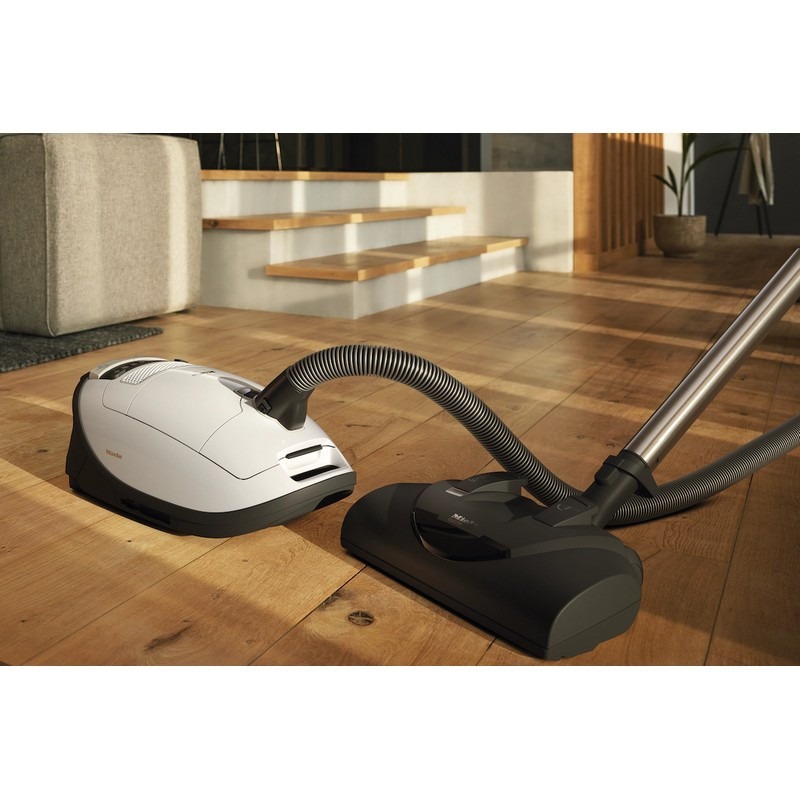
The C3 lineup has appeared in several versions, and the tool mix changes the whole experience. A parquet brush feels light and smooth on hardwood. An electrobrush makes more sense for carpet and embedded pet hair. A turbo head can work for low-pile rugs, but it is not the same as a powered brushroll for dense carpet.
A good U.S. example is a split-level house in Ohio with hardwood on the main floor and carpet upstairs. A hard-floor-only setup may feel amazing on the first level and weak in the bedrooms. A carpet-ready setup may cost more but save you from buying another vacuum later. That is why a buyer should read the included accessories like they are part of the price, not bonus items.
How It Compares With Cordless Sticks and Robot Vacuums
The sale gets more interesting when you stop comparing the C3 only against other canisters. Most U.S. shoppers are choosing between three cleaning styles now: cordless stick for speed, robot vacuum for maintenance, and corded canister for deeper planned cleaning. The best answer may not be one machine. It may be knowing which job each machine should own.
Cordless convenience has a hidden ceiling
Cordless sticks are great for crumbs under a high chair, coffee grounds near the counter, and the quick pass before guests arrive. They win on speed. No debate there. The problem shows up when the job gets longer, dustier, or more mixed across surfaces.
Batteries fade during a full-house clean. Small bins fill fast. High-power modes drain runtime. Filters need regular attention. That does not make cordless models bad. It means they are built around bursts, not long cleaning sessions.
A canister with a cord asks for more setup, but it gives you a different rhythm. You clean the room, not the battery meter. You can work across baseboards, stairs, upholstery, and floors with less concern about runtime. The C3 is not the machine you grab for one cracker. It is the one you pull out when Saturday morning has turned into a whole-house reset.
Robot vacuums maintain floors, but they do not replace judgment
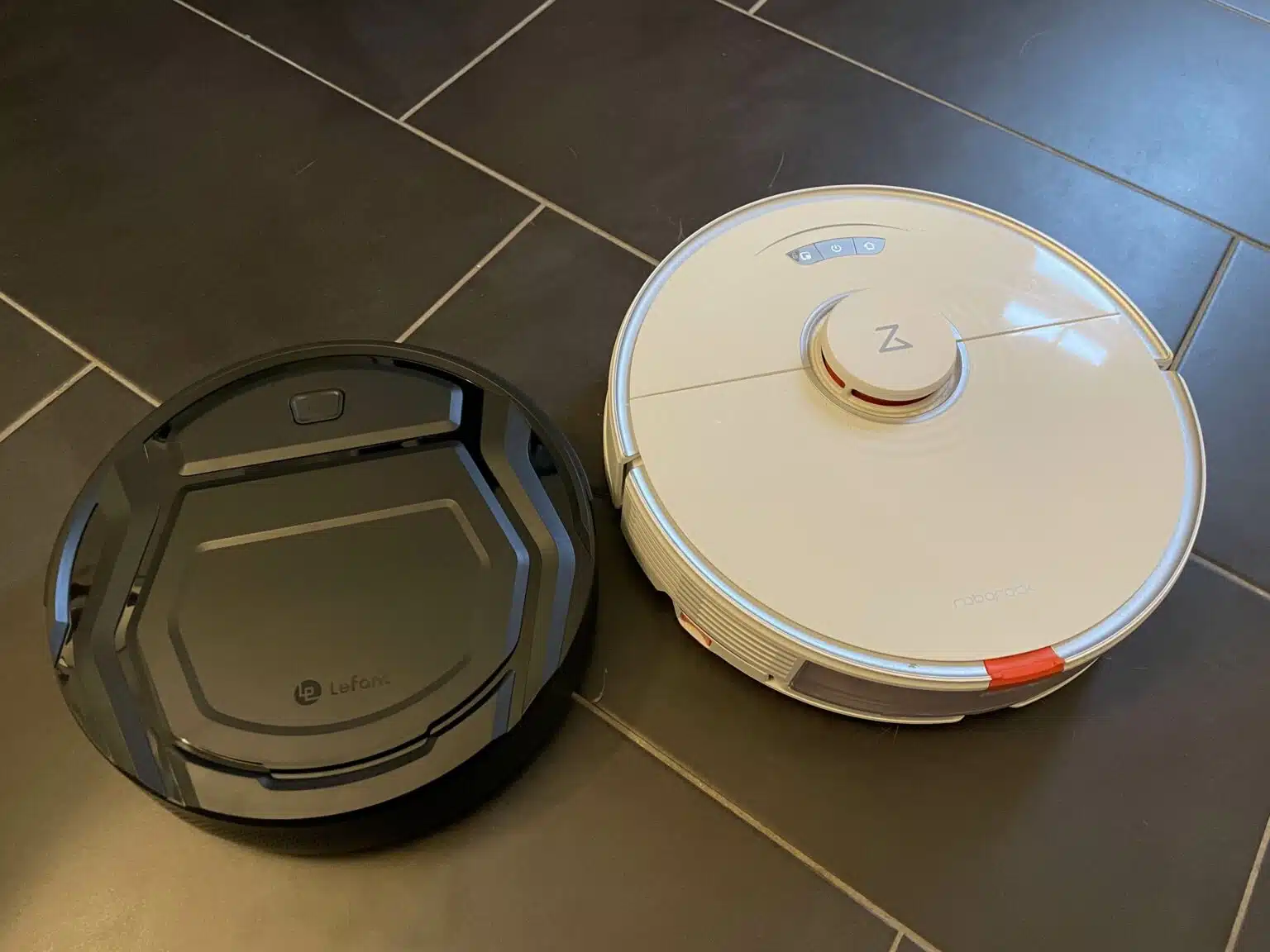
Robot vacuums are useful in homes with pets, open floor plans, and predictable clutter. They keep visible debris from building up. They also train you to pick up socks, charging cords, and small toys. That alone can make a house feel calmer.
Still, a robot cannot judge the corner behind a door, the edge of a stair, or the fabric on a sofa arm. It cannot choose a crevice tool because the baseboard line looks dusty. It cannot decide that a rug needs slower passes today because the dog came in wet yesterday.
That is where a pet hair vacuum with real attachments has staying power. The C3 can reach places a robot avoids and handle cleaning as a task with choices. A robot is a floor maintenance assistant. A canister is a cleaning instrument. Those are not the same job.
For people building a smarter cleaning setup, pairing a robot with a corded canister can make more sense than buying the most expensive cordless stick. You can track ideas in smart home cleaning upgrades and compare them against your floor plan before spending more.
Who Should Buy It Before Stock Gets Thin
A sale price can make almost anyone curious, but this vacuum is not for every home. That is the honest line. The C3 rewards people who clean in sessions, care about dust control, and want a machine that feels calm rather than frantic. It may annoy people who hate cords, hate buying bags, or have no closet space for a hose and wand.
It fits homes with mixed floors and serious dust
The best match is a home with more than one surface. Think hardwood in the living room, tile in the kitchen, area rugs under furniture, carpet in bedrooms, and upholstery that collects hair. That mix exposes weak vacuums. A machine that shines only on bare floor or only on carpet starts to feel narrow.
The C3 can work well in that mixed setting because the attachments matter. A parquet brush can move around chair legs without fighting the floor. A powered head can dig into carpet. A dusting brush can handle vents, lampshades, shelves, and window trim. Used well, it becomes a small cleaning system rather than one nozzle dragged everywhere.
There is also a comfort angle people miss. A canister lets your hand guide the wand while the motor trails behind. For some users, that feels lighter than pushing a full upright. For others, pulling a canister around furniture feels annoying. The only honest answer is to picture your own rooms.
It is weaker for tiny apartments and quick-only cleaners
If you live in a small studio with mostly hard floors, a simple cordless may be enough. If your cleaning style is five minutes here and five minutes there, a corded canister may sit in the closet. A deal does not help if the machine does not match your habits.
Storage can also be a deal breaker. A canister body, hose, wand, and floorhead need a real spot. Not a fantasy spot. A real closet, laundry room corner, or basement shelf. If you already fight for space, measure first.
The non-obvious buying move is to treat the sale price as permission to be pickier, not faster. Look for the correct variant. Confirm the bag type. Check the return policy. Read whether the HEPA AirClean filter is included or sold apart. Then compare the final cost with vacuum deals worth tracking, not only the sale badge on the listing.
Conclusion
A lower price can make a premium cleaner tempting, but the better reason to care is fit. This canister still speaks to homes that need controlled dust, better carpet tools, and calmer long-session cleaning. It is not trying to be a robot, and it is not trying to be a cordless stick. That restraint is part of its value.
The Miele Complete C3 is worth a hard look when the deal brings the cost within reach, especially for shoppers who already know cheap vacuums have not held up in their homes. The smartest buyer will not chase the lowest number alone. They will check the floorhead, filter, bags, seller, and warranty before deciding.
If the right package is available at a rare low, this is one of those moments when paying more than budget price can still feel like saving money. Buy the machine that matches the mess you live with.
Frequently Asked Questions
How much should I pay for a C3 canister on sale?
A strong sale should feel meaningfully below the usual high-end canister range, but the exact number depends on the variant and included tools. A carpet-ready package with an electrobrush should cost more than a hard-floor setup, so compare bundles before judging the deal.
Is a bagged canister better than a cordless vacuum?
It can be better for full-room cleaning, dust control, and longer sessions. Cordless vacuums win for fast pickups and small messes. A bagged canister makes more sense when you clean carpets, rugs, upholstery, and edges in one planned pass.
Does the C3 work well for pet hair?
Yes, the right variant can work well as a pet hair vacuum, especially when it includes a powered floorhead or pet-focused brush. The tool package matters more than the name alone. For couches and stairs, check for upholstery and mini brush attachments.
Do I need a HEPA filter with this vacuum?
You may want one if dust, pollen, or pet dander bother people in your home. Some variants include a HEPA AirClean filter, while others use different exhaust filters. Always check the listing before buying, because filter type affects both cost and air control.
Is the C3 too heavy for stairs?
The canister design can work on stairs, but it depends on your strength, stair layout, and hose reach. Some people prefer carrying the canister one section at a time. Others may find a compact cordless easier for quick stair touch-ups.
Are Miele vacuum bags expensive?
They cost more than emptying a bagless bin, but they also keep dirt contained and help the vacuum maintain performance. The fair way to judge cost is by months of use, not the price of one bag pack. Larger homes will use more.
Should I buy it if the model is discontinued?
A discontinued canister can still be a smart buy when bags, filters, parts, and service remain available. The bigger concern is seller quality. Buy from a trusted retailer, check warranty terms, and avoid vague listings that hide what accessories come in the box.
What is the best C3 setup for U.S. homes with mixed floors?
A mixed-floor home usually needs a hard-floor brush plus a carpet-capable powered head. That pairing gives you better control across hardwood, rugs, and bedrooms. If your home has no medium or plush carpet, a lighter hard-floor package may be enough.