
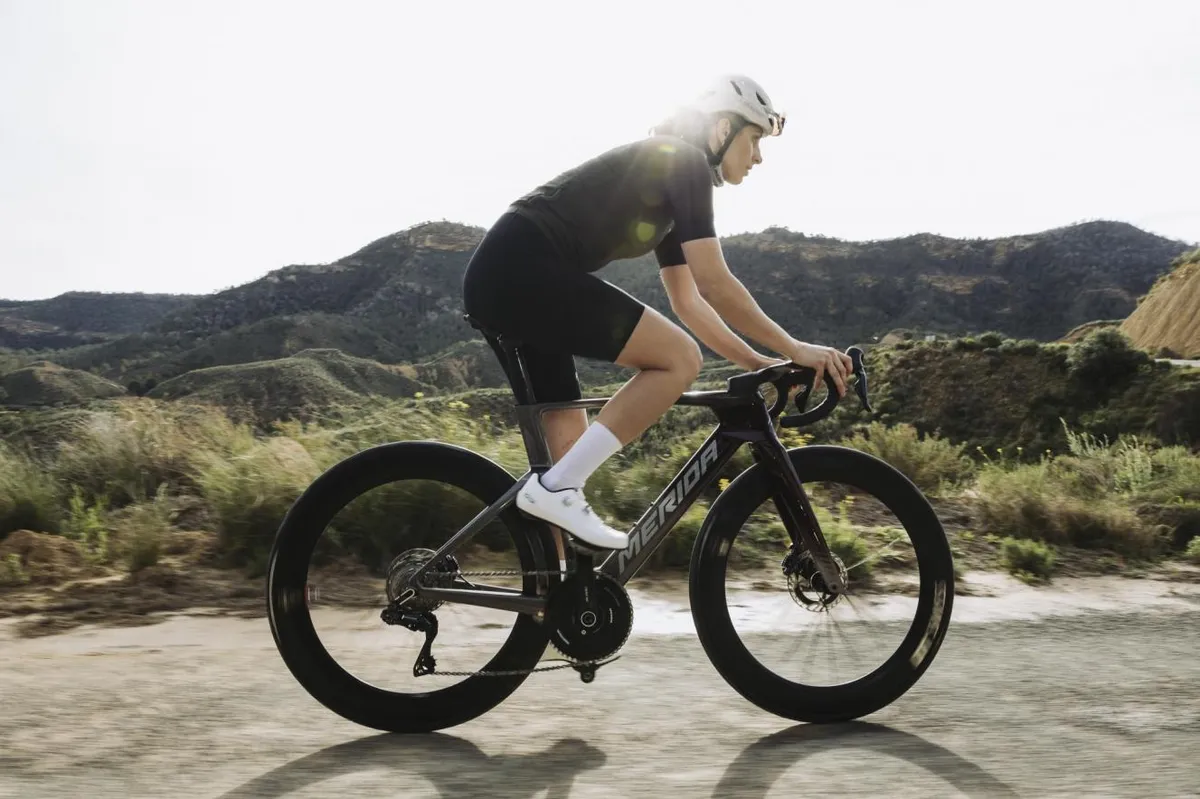
A bike can sell out for boring reasons: low stock, odd sizing, a short run, or one retailer getting the mix wrong. The Merida Reacto Limited story feels different because riders are reacting to the shape before they even get to the spec sheet. The pull is simple. It looks fast, it carries the serious-road-bike mood people want, and the aero frame gives weekend riders a clear reason to pay attention. For U.S. shoppers who follow cycling drops, race-bike culture, and performance gear trends, that kind of visual spark matters. The catch is that demand does not always mean every buyer should rush. A limited road bike can be a smart buy when the fit, gearing, and dealer path line up. It can also become an expensive mistake if you chase the hype before checking the details that affect your actual rides.
Why Merida Reacto Demand Feels Different This Time
Most road bike buzz fades once riders ask the hard questions. Will it fit? Can I service it nearby? Does the price make sense beside Giant, Trek, Cannondale, Canyon, and Specialized? That is where this story gets interesting. The attention around the Reacto Limited is not only about one model. It is about a broader hunger for the aero road bike look at a price that feels closer to reality.
The aero shape sells before the spec sheet does
The first thing people notice is the silhouette. Deep tubes, tight lines, dropped stays, and that race-ready stance tell a story before a rider checks the drivetrain. That matters because many buyers shop with two brains. One brain wants speed. The other wants a bike that looks like it belongs outside a fast group ride on a Saturday morning.
That is why the aero frame has become the hook. It gives the bike a clear identity in a market full of light carbon frames that can look too similar from ten feet away. A rider in Phoenix, Austin, or Miami may never race a criterium, yet still want a machine that feels sharp on flat roads, fast turns, and solo training miles.
The counterintuitive part is that the visual drama can be more useful than it looks. When a bike makes you want to ride, it changes behavior. You clean it more. You plan routes. You stop treating fitness as homework. That emotional pull is not a spec, but it can decide whether the bike gets ridden or parked.
Scarcity is often size-level, not nationwide
Selling out can sound bigger than it is. With bikes, scarcity often happens in a narrow way. A medium frame in one color disappears. A large hangs around. A smaller size ships late. A dealer may have one build but not another. To a shopper, that still feels like a sellout because the only size that matters is the one that fits.
That is why U.S. buyers need to treat the limited road bike label with care. Merida’s global setup points shoppers toward country-specific ranges and distributors, so American availability can feel less direct than brands with deep local dealer walls. That does not kill the appeal. It does mean you need to check the path before falling in love with a photo.
A good move is to measure your current bike, compare stack and reach, then call or message the seller before paying. Ask about warranty handling, assembly, brake setup, spare seatpost parts, and return terms. Hype is loud. Fit is louder after mile forty.
What The Aero Frame Means On Real U.S. Roads
The phrase “aero” can make riders think of wind tunnels and pro racing. For normal Americans, the value is more grounded. You feel it on exposed roads, fast group pulls, long descents, and those flat miles where your speed keeps rising but your legs start asking questions. The aero road bike is not magic. It rewards steady effort more than wild sprinting.
Speed comes from position as much as the frame
A sleek frame helps, but your body is still the biggest thing cutting through the air. That is the part many buyers miss. A rider with a poor fit on an aggressive bike may lose more speed to discomfort than the frame can save. Numb hands, locked shoulders, and a neck that starts barking after thirty minutes can turn a fast design into a short ride.
The Reacto Limited makes sense for riders who can hold a lower, cleaner position without fighting the bike. Think of a Chicago lakefront rider pushing into crosswinds, or someone in Dallas riding fast county roads before the heat climbs. In those cases, the aero frame supports the job instead of pretending to do all of it.
The non-obvious win is calmness. A good aero setup does not always feel like a rocket launch. Sometimes it feels like less fuss. You hold speed with fewer small surges. You stop wasting energy bouncing between effort levels. That is a quieter kind of speed, but it shows up on the ride file.
Comfort decides whether the bike stays fast
A stiff-looking bike can still be livable, yet buyers should not assume every aero road bike suits rough pavement. U.S. roads vary too much. A smooth Florida loop is not the same as broken winter asphalt in New Jersey. Tire clearance, wheel choice, saddle position, and bar setup can matter as much as frame shape.
This is where modern aero bikes have changed for the better. Wider tires and cleaner tube shapes have helped move the category away from the old “fast but harsh” image. Still, the rider has homework. Ask what tire width the frame accepts, what comes stock, and whether the wheels make sense for the roads you ride most.
A rider in Los Angeles may want deeper wheels for calm, fast roads. A rider in rural Pennsylvania may be happier with a tire change before chasing any other upgrade. The frame may start the conversation, but the contact points finish it.
How To Judge The Build Before You Chase The Drop
The worst way to buy a bike is to stare at the frame and ignore the parts that decide the daily experience. A limited road bike can look like a deal until you price a wheel upgrade, fit changes, shipping, duty, or service work. The smart buyer slows down at the exact moment everyone else speeds up.
Drivetrain and brakes matter more than online noise
A good groupset does not need to be exotic. It needs to shift cleanly, stop with control, and fit the type of riding you do. Shimano 105, Ultegra, and their electronic versions all have fans for good reason. The gap that matters for most riders is not prestige. It is service access, replacement cost, and whether the gearing fits your terrain.
If you live somewhere flat, a semi-compact chainset and tight cassette can feel quick and direct. If your rides include steep climbs, you may want easier gearing even if the stock setup looks race-correct. That is not weakness. That is knowing your roads.
Hydraulic disc brakes are another practical point. They add control in rain, long descents, and fast group settings. For a rider coming from rim brakes, the first hard stop can feel like a new language. Give yourself time. Speed is not worth much if control feels nervous.
The hidden costs can change the deal
The sticker price is only one part of the purchase. Pedals, bottle cages, computer mount, tubeless setup, fit appointment, torque wrench, spare hanger, and shipping can push the real number higher. For buyers importing or buying from a distant shop, the gap can grow again with packaging fees and service checks.
A strong example is the first month of ownership. You may need a stem swap, bar width change, saddle change, and brake rub adjustment after the cables and pads settle. None of that is shocking. It is normal bike ownership. But if your budget ends at checkout, the bike may feel frustrating before it feels fast.
The counterintuitive advice is to leave money unspent. A buyer with a slightly lower-spec aero road bike and a proper fit can be happier than someone who spent every dollar on a prettier build. The road will not care how dramatic the listing looked.
Should American Riders Buy Now Or Wait?
When a frame goes viral, waiting feels dangerous. You see size gaps, social posts, and comments from people claiming they found the last one. That pressure can push riders into bad choices. Still, waiting can also mean losing a rare build that fits. The better answer is not “buy” or “wait.” It is to decide what kind of buyer you are.
Buy now when the fit and source are clear
You should move fast when three things line up: the frame size is right, the seller is trustworthy, and the final price still makes sense after setup. Those points sound plain, but they separate smart urgency from panic. A bike that fits your body and your roads does not need endless debate.
This is where a prior fit sheet helps. If you know your stack, reach, saddle height, and preferred handlebar width, you can judge a listing in minutes. Without those numbers, you are guessing. Guessing is expensive on a performance bike.
For riders upgrading from an aluminum endurance bike, the Reacto Limited may feel sharper, lower, and more direct. That can be thrilling. It can also feel demanding. A test ride is ideal, but when that is not possible, measurements become your protection.
Wait when the purchase path feels messy
Some deals are not deals. If the seller cannot explain warranty support, if the frame size is “close enough,” or if shipping terms feel vague, step back. A sold-out mood does not erase risk. It often hides it.
Waiting can also help you compare against similar bikes. Look at carbon road bike buying tips and aero bike fit advice for beginners before you commit. The goal is not to talk yourself out of a fun purchase. The goal is to make sure the bike serves your riding instead of your scrolling habit.
A second look may reveal that you need an endurance geometry, a lighter climbing bike, or a local brand with easier service. Or it may confirm that the Reacto Limited is the one. Both outcomes are useful. The wrong bike bought fast stays wrong for a long time.
Conclusion
The Reacto Limited has the kind of presence that makes riders pause, zoom in, and start checking size charts. That alone explains part of the sellout energy, but the better story is about timing. American riders are hungry for bikes that feel fast, look serious, and do not ask them to spend superbike money. The smarter read on Merida Reacto demand is that the frame got attention, while the buyer still has to do the boring work. Check fit. Check source. Check service. Check the final cost after the first ride upgrades. If those pieces line up, this could be a sharp buy for someone who wants speed with character. If they do not, let the hype pass and keep your money ready for the right frame. The best bike is not the one everyone wants today. It is the one you still want to ride next year.
Frequently Asked Questions
Is the Reacto Limited a good bike for everyday road riding?
Yes, if your rides lean fast, paved, and fitness-focused. It suits riders who enjoy speed and a lower road position. If your routes include rough pavement or relaxed cruising, check tire clearance and fit before buying.
Why are aero road bikes popular with non-racers?
They feel exciting, hold speed well on open roads, and carry a race-bike look many riders enjoy. Non-racers may not need every aero gain, but they can still enjoy the firm, fast feel during solo rides and group efforts.
What should I check before buying a limited road bike online?
Confirm frame size, warranty path, return terms, shipping protection, brake setup, and included parts. Ask for close photos of the frame, wheels, drivetrain, and serial number area. A tempting price means less if support is unclear.
Is an aero frame worth it for weekend cyclists?
It can be worth it when you ride at steady speeds and enjoy a sportier position. The frame alone will not make you fast. Fit, tires, wheels, and training still play a bigger role in how the bike feels.
How do I know what Reacto Limited size to buy?
Compare stack and reach with a bike that already fits you. Saddle height, stem length, and handlebar width also matter. If you are between sizes, ask a fitter or experienced shop before choosing based on height alone.
Are carbon aero bikes hard to maintain?
The frame itself is not hard to own, but hidden cables, hydraulic brakes, and integrated parts can make service more involved. Keep a torque wrench, protect the frame during transport, and use a trusted mechanic for cockpit changes.
Should I upgrade wheels first on an aero road bike?
Only if the stock wheels limit your riding. Tires and fit often give a better first improvement. Good wheels can add speed and style, but they should match your roads, wind conditions, and budget.
What makes the Reacto Limited different from an endurance road bike?
It is built around a faster, sharper riding feel, while endurance bikes usually focus on comfort and upright control. Choose the Reacto Limited for speed-focused rides. Choose endurance geometry if long comfort matters more than a race-like stance.